電気試験
What is Electrical Testing?
電子機器製造では、電気試験はプリント回路基板アセンブリ (PCBA) の完全性と機能を検証するための重要なステップです。綿密なテストと品質保証プロセスにおけるこの極めて重要な段階では、組み立てられた基板が必要な仕様を満たし、意図したとおりに動作することを確認し、コンポーネント、サブシステム、およびデバイス全体にわたる電気的性能と安全性の評価に重点を置きます。
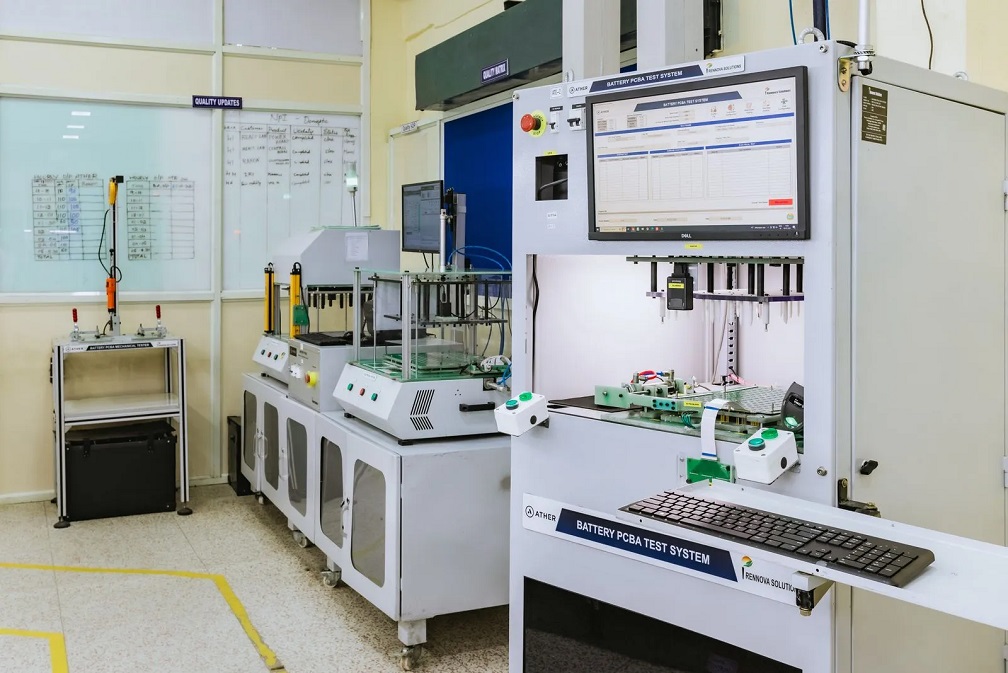
Electrical Testing for PCBAs - Process
電気部品の機能を厳密に検査して、意図したとおりに機能することを検証します。これには、さまざまな条件下での電源、シグナルインテグリティ、および全体的な電気的挙動の評価が含まれます。
電子機器の安全を確保することが最も重要です。当社の試験プロトコルは、絶縁抵抗、接地、電気的危険からの保護などの側面をカバーする国際安全基準に準拠しています。

私たちは表面レベルの評価にとどまりません。当社の電気試験は幅広いパラメータを対象としており、電子デバイスを包括的に評価し、性能に影響を与える可能性のある潜在的な弱点を特定します。


-ネットへの電圧の印加。
-浮遊電流を検出できるように電圧を滞留時間保持します。
-次のペアに移動。

Electrical Testing for PCBAs - FAQ
Electrical testing is crucial for: Ensuring the safety and reliability of electrical systems and components. Detecting manufacturing defects and preventing product failures. Complying with industry standards and regulations.
Types of electrical testing include: Continuity Testing: Checks for open circuits. Insulation Resistance Testing: Measures the resistance between conductive parts and the ground or between two conductive parts. High Potential (Hi-Pot) Testing: Applies high voltage to ensure insulation integrity. Electrical Function Testing: Verifies the operational functionality of a device.
An in-circuit test (ICT) is a method of electrical testing that checks the components mounted on a PCB individually for shorts, opens.
An electrical function test evaluates an electronic assembly, such as a PCB, to ensure it performs its intended electrical functions correctly. This involves applying power to the assembly and simulating operational conditions to verify functionality and compliance with design specifications.
In-Circuit Testing (ICT): Tests each component on a PCB for shorts, opens, values, and functionality. Flying Probe Testing: Uses movable probes to test components and connections on small batch PCBs without a custom fixture. Functional Testing: Simulates the operational environment and verifies the PCB performs as intended.
A flying probe test uses movable test probes to make contact with components and test points on a PCB. It's flexible and does not require a custom test fixture, making it ideal for prototyping and low-volume production.